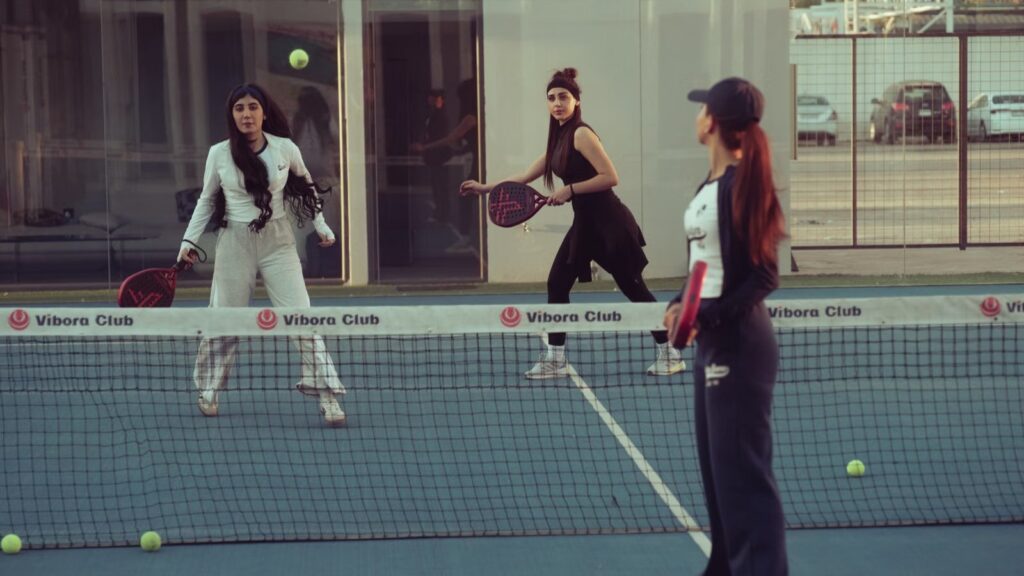

Padel elbow is pain on the outside of the elbow that comes from playing padel. It is the same injury as tennis elbow, and it is one of the most common complaints among regular players. The good news is that it usually settles with rest, and there is plenty you can do to stop it coming back.
This guide covers the symptoms, why padel causes it, how to treat it and how to choose kit that is kinder on your arm. If you need something now, an elbow strap is the first thing most players reach for.
Elbow supports worth trying

Best value
Bodyprox Elbow Brace
A pack of two straps with a gel pad. Tens of thousands of reviews.
Check price on Amazon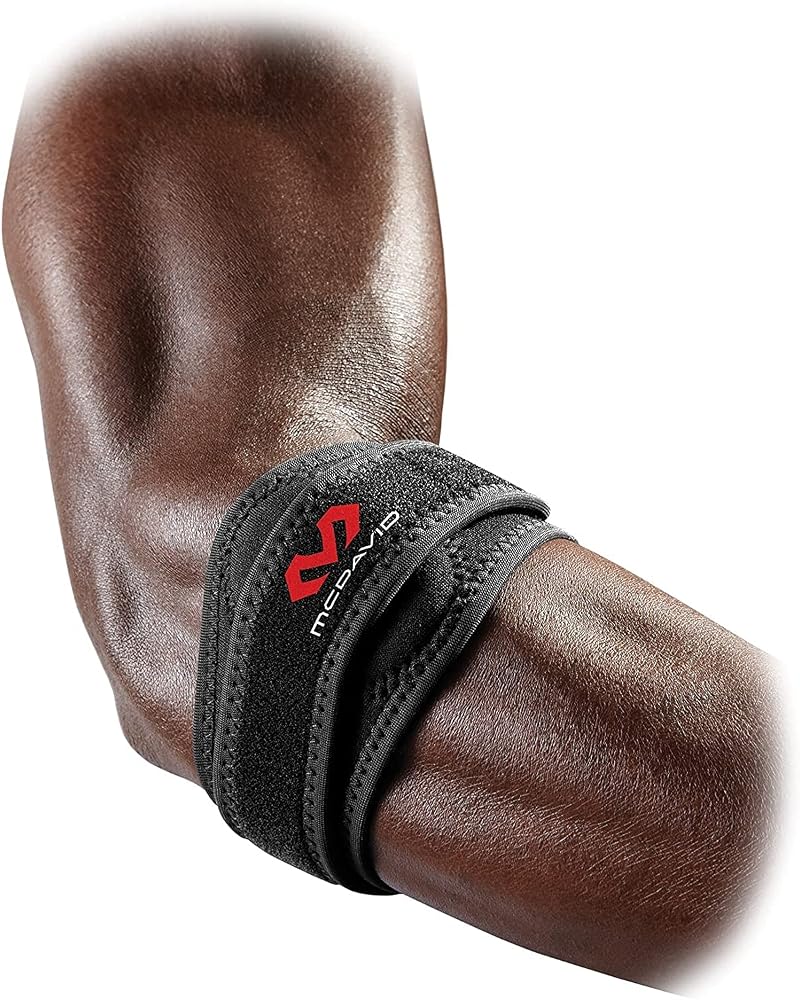
Sports brand
McDavid Elbow Strap
A firm strap with a pressure pad, made by a long standing sports support brand.
Check price on Amazon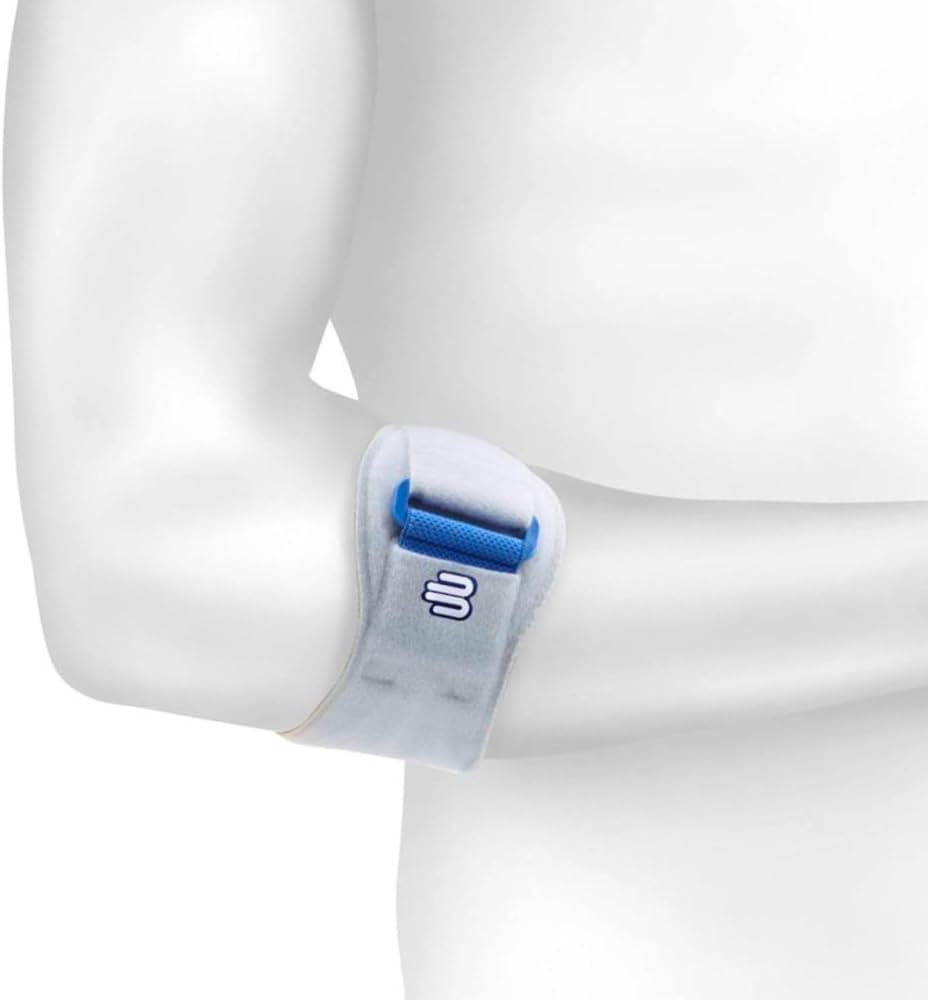
Premium
Bauerfeind EpiPoint
A medical grade support from a German brand, built to last.
Check price on AmazonAs an Amazon Associate I earn from qualifying purchases.
Padel elbow in short
- What it is: irritated tendons on the outside of the elbow, the same as tennis elbow.
- Main sign: pain on the outside of the elbow when you grip or twist.
- Common causes: a stiff or heavy racket, gripping too tightly and suddenly playing a lot more.
- First steps: rest, a cold or hot pack, painkilling gel and an elbow strap.
- See a GP: if it has not eased after two weeks of self care.
What is padel elbow?
The muscles that lift your wrist and grip your racket are joined to the outside of the elbow by tendons. When those tendons are worked too hard, too often, they become sore and inflamed. Doctors call it lateral epicondylitis. Everyone else calls it tennis elbow, or padel elbow if padel is to blame.
According to the NHS, it is most common in people aged 35 to 54. Plenty of padel players fall into that age range, which is one reason it comes up so often in club changing rooms.
Symptoms to look out for
- Pain on the outside of the elbow, from a mild ache to a constant pain.
- Pain that gets worse when you grip something, lift something or turn your wrist.
- Tenderness or swelling around the bony point on the outside of the elbow.
- Pain that spreads down into the forearm.
- Difficulty fully straightening your arm.
On court, you will often notice it first on backhands, volleys and the bandeja, or when you pick up a ball. Off court, everyday jobs such as lifting a kettle or turning a door handle can start to hurt.
Why padel causes elbow pain
A padel racket has no strings. It is a solid slab of foam and carbon or fibreglass, so more of the shock of each hit travels into your arm than with a tennis racket. On top of that, a few habits make padel elbow far more likely.
- A stiff or heavy racket. Hard foam cores, carbon faces and head heavy diamond shapes all send more vibration up the arm.
- Gripping too tightly. Strangling the handle keeps the forearm muscles tense through every shot.
- The wrong grip size. A handle that is too thin makes you squeeze harder to control the racket.
- Hitting late with the wrist. Flicking at balls coming off the glass puts the strain on the forearm instead of the shoulder.
- Doing too much too soon. Going from one game a week to four is a classic trigger.
The grip is the easiest of these to fix. A cushioned overgrip makes the handle slightly thicker and softer, so you can hold the racket more loosely. Our guide to padel overgrips compares the options.

Softer grip
ComfortMax Cushioned Grip
Adds padding to the handle, so less shock reaches your arm.
How to treat padel elbow
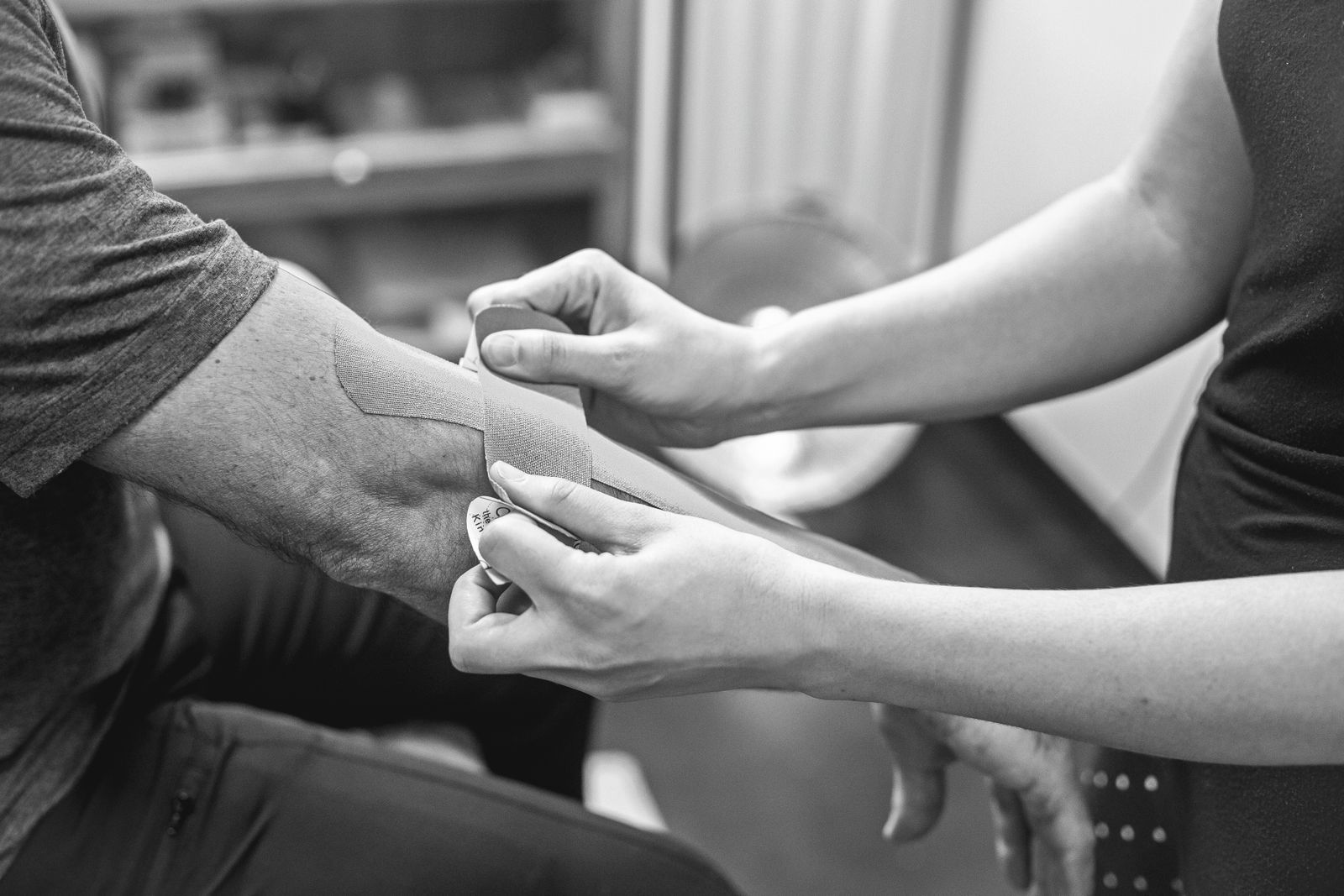
Most cases get better on their own with the right care. The NHS advice on tennis elbow suggests the following.
- Avoid or cut back on whatever makes it worse, which may mean fewer games for a while.
- Take paracetamol, or rub an anti inflammatory gel onto the sore area.
- Use a hot or cold pack wrapped in a towel for up to 20 minutes every two to three hours.
- Try gentle exercises, such as bending and straightening your arm.
- Wear a forearm strap or an elbow brace.
See a GP if it still hurts after two weeks of rest and self care. In many areas you can also refer yourself to an NHS physiotherapy service. A physio can give you stretching and strengthening exercises for the wrist and forearm, which are often the thing that finally sorts it out.
Do elbow straps work?
An elbow strap, sometimes called a counterforce strap, sits on the forearm just below the elbow. It presses on the muscle so that some of the pull is taken off the sore tendon. It will not cure padel elbow by itself. However, many players find it lets them keep playing with less pain while the tendon settles.
A compression sleeve is a gentler option. It covers the whole elbow, keeps it warm and gives light support. Some players wear one for every game as a precaution, especially in winter on outdoor courts.
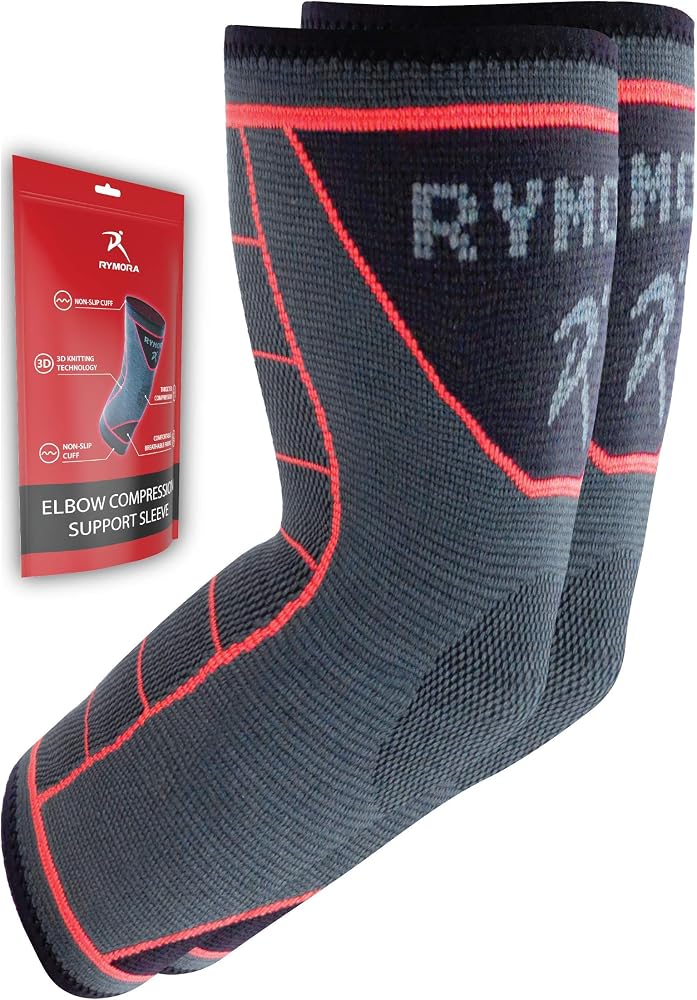
Gentler support
Rymora Compression Sleeves
A pair of elbow sleeves for warmth and light support on court.
Choosing a racket that is kinder on your elbow
If padel elbow keeps coming back, your racket may be part of the problem. As a rule, look for a round shape, which keeps the weight near your hand, and a soft foam core, which absorbs more of the impact. A lighter racket helps too, and so does a fibreglass face, which is usually more forgiving than carbon.
Beginner rackets tend to tick most of these boxes, which is why plenty of experienced players with sore elbows end up going back to one. Our guide to the best padel rackets for beginners has the details on each.

10% off for our readers
Softer rackets that are easier on the arm
Padel Boost’s beginner range is built for a softer feel and plenty of control. Your 10% discount is applied when you click through.
Advert. We may earn a commission if you buy, at no cost to you. Discount code PADELREVIEW.
How to stop it coming back
- Warm up your forearms. A few minutes of wrist circles and gentle stretches before you play makes a difference.
- Hold the racket loosely. On a scale of one to ten, aim for a grip of about four between shots.
- Hit in front of you. Meet the ball early and turn your shoulders, rather than flicking with the wrist.
- Build up slowly. Add games a week at a time, especially after a break.
- Book a lesson. A coach can spot the technique fault behind the pain in a single session.
Padel elbow: your questions answered
Is padel elbow the same as tennis elbow?
Yes. Padel elbow is simply tennis elbow caused by playing padel. Doctors call it lateral epicondylitis, and the symptoms and treatment are the same.
Can I keep playing padel with tennis elbow?
If the pain is mild, many players carry on with a strap and fewer games. If it gets worse while you play, stop and rest it. Playing through real pain usually makes it last longer.
How long does padel elbow last?
The NHS says tennis elbow usually gets better after resting your arm for a few weeks, but it can sometimes last much longer. See a GP if it has not eased after two weeks of rest and self care.
Where should an elbow strap go?
On the forearm, about two or three centimetres below the bony point on the outside of your elbow. It should feel firm but not tight, and your fingers should not tingle.
Do heavy rackets cause padel elbow?
They can add to it. A heavy or head heavy racket puts more strain on the forearm, especially if it is also stiff. A lighter, round racket with a softer core is kinder on the arm.
This guide is general information, not medical advice. If you are worried about pain in your elbow, speak to a GP, a pharmacist or a physiotherapist.