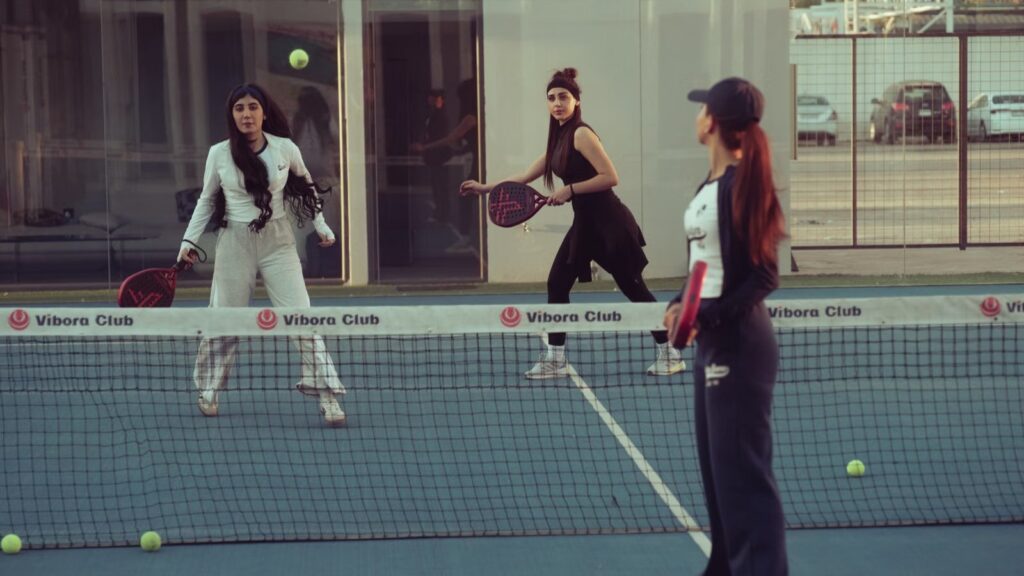

Padel levels are how clubs and apps put you in games with people of a similar standard. In the UK that almost always means your Playtomic level, a number from 0 to 7 that goes up and down with your results. Knowing roughly where you sit makes it far easier to book open matches you will actually enjoy.
This guide explains what each level means, how Playtomic works out your number and how to move up. If you want a racket that suits your standard, these are three of our favourites at different levels.
A racket for your level

Levels 0 to 2
HEAD Evo Radical
Round and forgiving, so the ball goes where you aim while you learn.
Check price on Amazon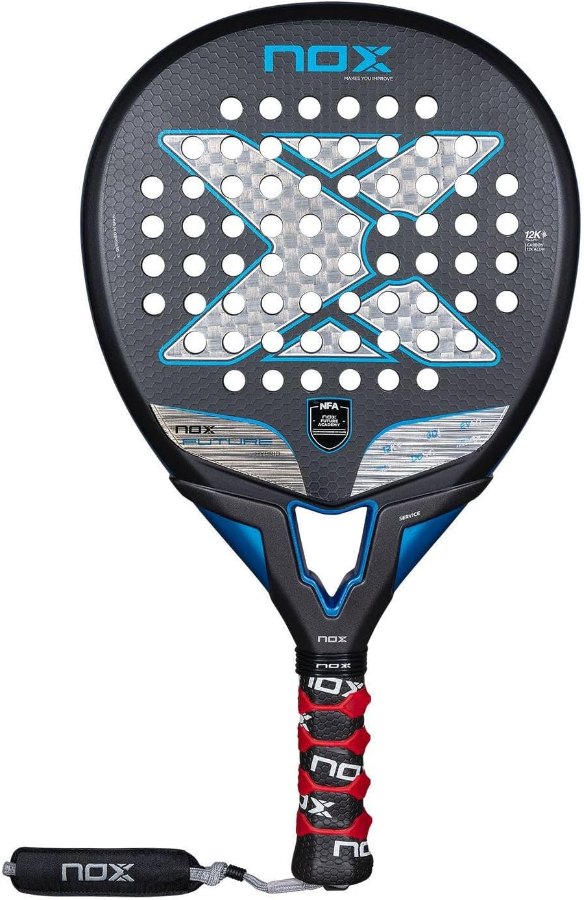
Level 4 and up
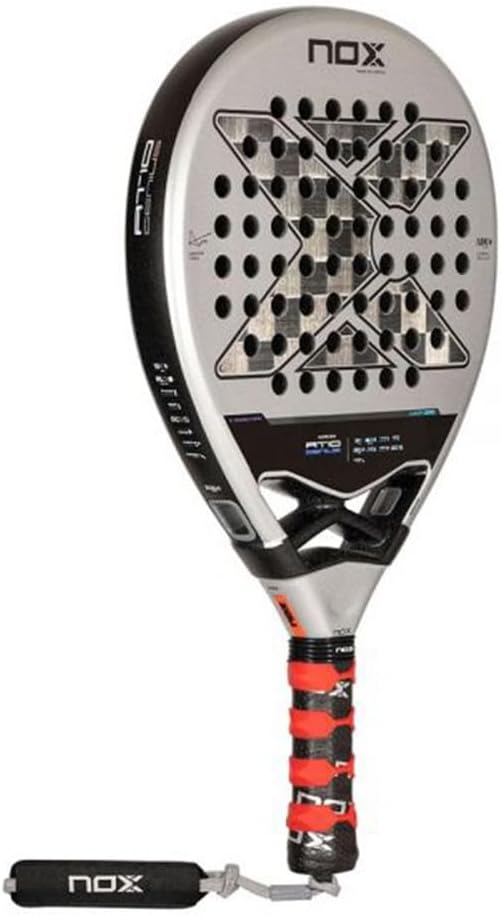
Nox AT10 Genius 18K
Our top pick for experienced players who want feel and precision.
Check price on AmazonAs an Amazon Associate I earn from qualifying purchases.
Padel levels in short
- Most UK clubs use the Playtomic scale, which runs from 0 to 7.
- Beginners usually start between 0 and 1.5.
- Your level moves after every competitive match, based on the result and who you played.
- Casual matches do not change your level.
- Lessons and regular competitive games are the quickest way to move up.
Padel levels from 0 to 7
For example, the table below sums up what each band of the scale looks like on court. It is based on Playtomic’s own descriptions, and clubs sometimes describe the bands a little differently, so treat it as a guide.
| Level | What it looks like on court |
|---|---|
| 0 to 1 | New to padel, and often to racket sports. Still learning the basic shots and how the walls work. |
| 1 to 2 | Can keep a rally going, but finds balls off the glass hard and makes plenty of errors. |
| 2 to 3 | More at home with the walls, starting to come to the net, still makes positioning mistakes. |
| 3 to 4 | Uses the walls regularly, moves well with a partner and knows when to attack. |
| 4 to 5 | Sound fundamentals, few unforced errors, varies the pace and the spin. |
| 5 to 6 | Controls matches and switches between defence and attack with ease. |
| 6 to 7 | Competitive tournament players, all the way up to the professionals. |
How Playtomic works out your level

When you first sign up, Playtomic asks a few questions about your experience and gives you a starting level. After that, the number moves on its own. According to Playtomic’s help pages, each competitive match updates your level based on four things:
- whether you won or lost,
- the levels of your opponents,
- the level of your partner, and
- your reliability score, which shows how settled your level is.
In short, beat players rated above you and your level jumps. On the other hand, lose to players rated below you and it drops more sharply. New players have low reliability, so their level swings a lot at first. As you play more matches, the changes get smaller.
However, only competitive matches count. If you just want a social hit, set the match as casual and your level stays as it is. Some clubs are certified as Playtomic levelling clubs, where a coach can assess you in a session, which also gives your reliability a boost.
Where should a beginner put themselves?
First of all, be honest on the questionnaire, and if in doubt, start a little low. Being the strongest player in a game is far more fun than being out of your depth, and wins against higher rated players will move you up quickly anyway.
If you have played tennis or squash, you will probably start a little higher than a complete beginner. However, the walls catch most tennis players out for a few games, so do not be surprised if your level dips at first. Our padel for beginners guide covers your first few games.
How to move up the padel levels
- Play competitive matches regularly. Your level only moves when results go in, so casual games will not shift it.
- Play people slightly better than you. Wins against them count for more, and you learn faster.
- Master the glass. Letting the ball come off the back wall, rather than rushing it, is the biggest jump between levels 1 and 3.
- Learn the bandeja. The controlled overhead is what separates level 3 players from level 4.
- Take a few lessons. A coach will fix the one or two habits holding you back far quicker than games alone.
Ready to move up?
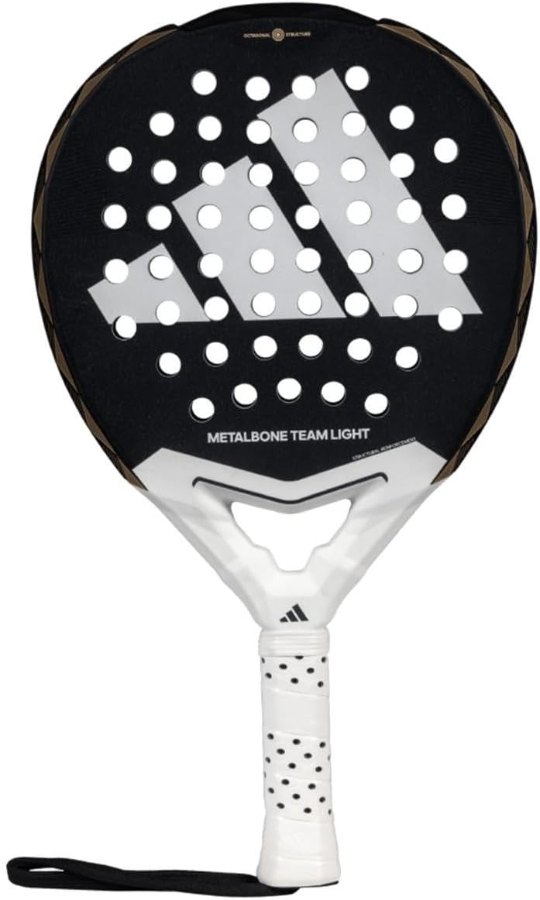
adidas Metalbone Team Light 3.4
A light, more powerful racket for players heading towards level 4.

10% off for our readers
Rackets for improving players
Padel Boost has a range of intermediate rackets for players ready to step up. Your 10% discount is applied when you click through.
Advert. We may earn a commission if you buy, at no cost to you. Discount code PADELREVIEW.
Other ways clubs grade padel levels
That said, not every club uses Playtomic numbers. Many coaching sessions are labelled with words instead, which map roughly onto the scale like this.
| Session label | Rough Playtomic level |
|---|---|
| Beginner | 0 to 2 |
| Improver | 2 to 3 |
| Intermediate | 3 to 4.5 |
| Advanced | 4.5 and up |
Clubs that book through MATCHi or their own systems may use different scales, so ask at reception if you are not sure which session to join.
Padel levels: your questions answered
What level is a beginner in padel?
Most people who are new to padel start between 0 and 1.5 on the Playtomic scale. If you have played another racket sport, you may start a little higher.
What is a good Playtomic level?
It depends what you want from the game, but anything from 3 upwards means you are comfortable with the walls and can hold your own in most club games. Levels of 5 and above are strong tournament players.
Why did my Playtomic level go down?
Usually because you lost a competitive match, especially against players rated lower than you. If your reliability is still low, the swings are bigger, and they settle as you play more matches.
Do casual matches affect my Playtomic level?
No. Only matches set as competitive change your level. Choose casual when you create or join a game if you just want a hit.
Can I change my Playtomic level?
You can lower it yourself in the app. To raise it, you either win competitive matches or attend a levelling session at a certified Playtomic club, where a coach assesses you.
Want to know which shots to work on? See our guide to padel shots explained.