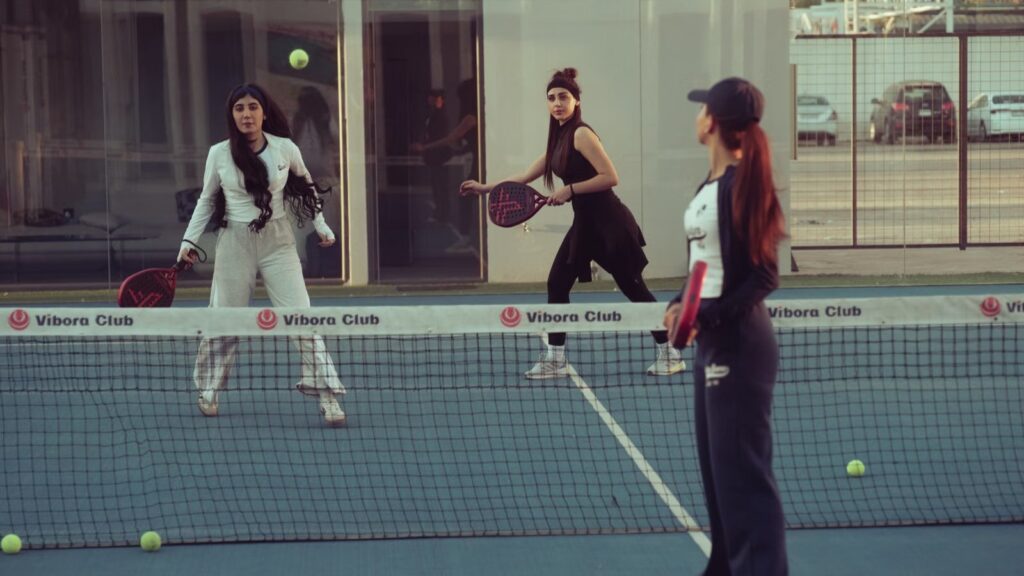
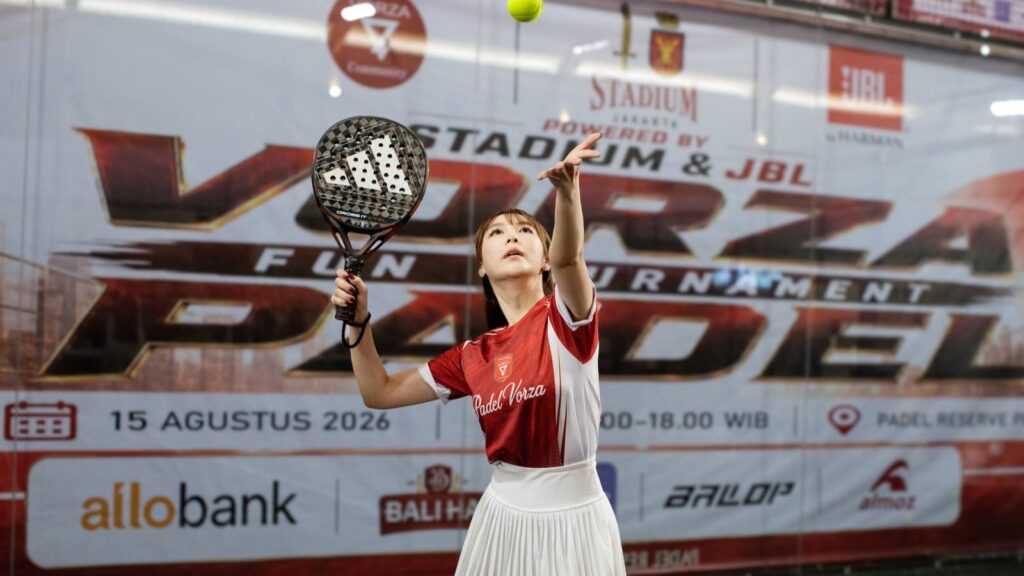
Padel shots borrow a lot from tennis, but a few are unique to the game, and their Spanish names can be baffling at first. However, once you know what a bandeja, a víbora or a chiquita is, and when to use each one, the game makes far more sense.
This guide explains the main padel shots, from the basic groundstrokes to the overheads, with a tip for each one. If you are ready for a racket with a bit more bite for the overheads, these three are worth a look.
Rackets for attacking shots

Power
adidas Metalbone Carbon 3.4
Plenty of punch for smashes and víboras, at a fair price.
Check price on Amazon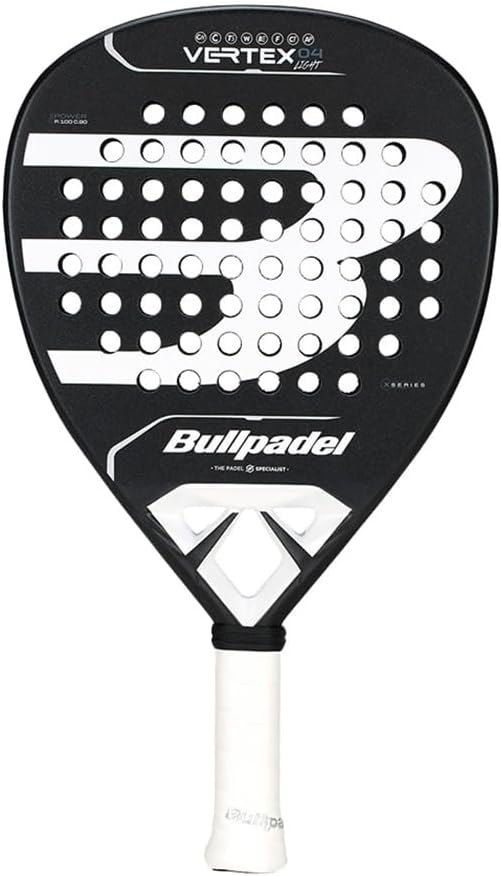
Lighter power
Bullpadel Vertex 04 Light
The power of the Vertex in a lighter, easier racket.
Check price on Amazon
All round
NOX Quantum 12K Carbon
A balanced racket for players building a complete game.
Check price on AmazonAs an Amazon Associate I earn from qualifying purchases.
The main padel shots
- Groundstrokes: forehands and backhands from the back of the court.
- Volley: a short punch at the net.
- Lob (globo): high and deep, to push your opponents back.
- Bandeja: a controlled, sliced overhead.
- Víbora: a more aggressive overhead with side spin.
- Smash: the big finish, best when you can hit it out of the court.
- Chiquita: a soft ball at your opponents’ feet.
Basic padel shots: forehand and backhand
To start with, most of your padel shots in the early days will be forehands and backhands from the back of the court. However, keep the swing shorter than in tennis, with the racket head up and the ball hit in front of you. Also, aim low over the net, ideally at your opponents’ feet, rather than trying to hit winners from the back.
Tip: watch the ball come off the glass and turn your shoulders early. Most mistakes come from rushing.
The volley
At the net, by contrast, the volley is a short punch rather than a swing. Hold the racket out in front, keep the wrist firm and block the ball back deep, towards the glass. Good pairs also volley side by side, moving together.
For control at the net
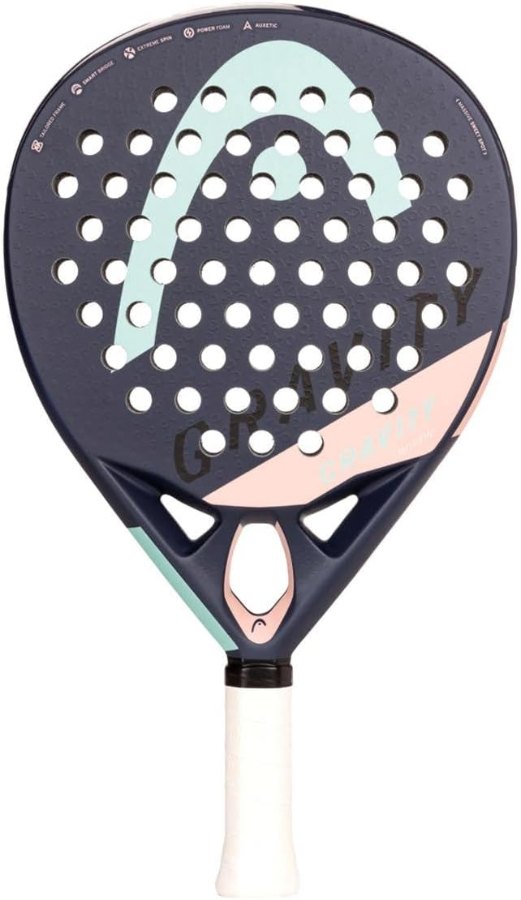
HEAD Gravity Motion
A control racket that makes volleys and touch shots easier to place.
The lob (globo)
In fact, the lob is the most important shot in padel. A high, deep lob over your opponents’ heads forces them to turn and run back, which hands your pair the net. Ideally, aim to land it close to the back glass, so it does not bounce up kindly off the wall.
Tip: lob when your opponents are close to the net. If they are already back, lob less and keep the ball low.
The bandeja

Bandeja means tray in Spanish, because of the flat, slicing motion. In other words, it is an overhead played when a lob is too deep to smash, and the aim is control rather than power. To play it, you slice through the ball and send it deep towards the corner, so you can stay at the net.
Tip: keep your racket face slightly open and your body side on. Think placement, not pace.
The víbora
Similarly, the víbora, or viper, is the bandeja’s more aggressive cousin. It is hit with more speed and side spin, so the ball skids low off the side glass and is hard to return. It takes good timing, which is why it separates good club players from the rest.

10% off for our readers
Rackets with more bite
Padel Boost has a range of advanced rackets for players who want more power overhead. Your 10% discount is applied when you click through.
Advert. We may earn a commission if you buy, at no cost to you. Discount code PADELREVIEW.
The smash
The smash is the big, flat overhead. However, in padel it is riskier than it looks, because a hard smash often bounces off the back glass and comes straight back to your opponents. Instead, good players save it for short lobs, and aim either to hit it so hard it bounces out over the side walls, known as a por tres, or to kick it back over the net.
Tip: if you cannot finish the point with it, play a bandeja instead.
The chiquita
Put simply, a chiquita is a soft, low ball played from the back of the court and aimed at the feet of opponents at the net. As a result, it forces them to hit up, giving your pair the chance to move forward and take the net.
Padel shots off the glass
Finally, two shots are all about the back wall. The bajada is an attacking shot played after a high ball comes off the back glass: you wait for it and hit it down hard. The contrapared is a defensive shot where you hit the ball into your own back wall so that it rebounds over the net, a last resort when you are beaten.
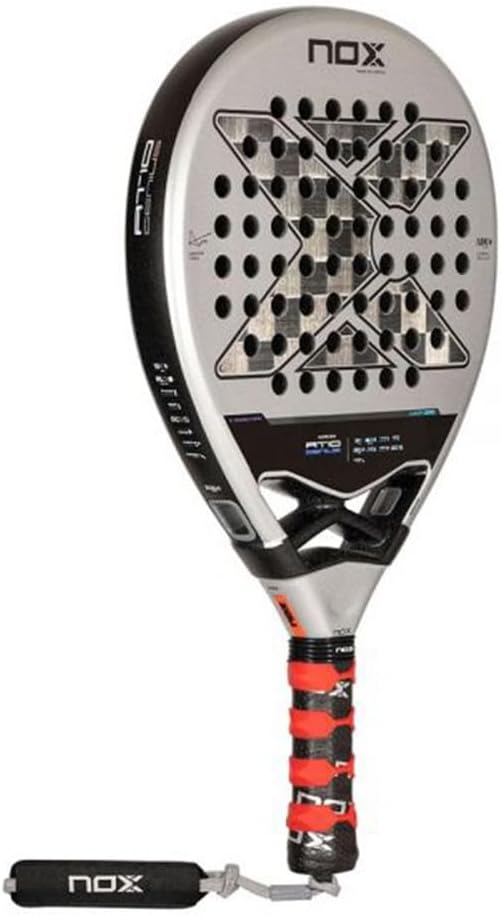
Our top pick
Nox AT10 Genius 18K
Feel and precision for players who want to add the bajada and víbora to their game.
How to learn padel shots faster
First of all, learn them in order: groundstrokes, volleys and the lob first, then the bandeja, then the víbora and smash. In addition, a couple of padel lessons will speed things up a lot. Your Playtomic level will usually move up as you add each shot to your game.
For the rules on what is in and out off the walls, see our guide to padel rules.
Padel shots: your questions answered
What is the most important shot in padel?
The lob. It pushes your opponents away from the net, buys you time and lets your pair take the attacking position. Most points between good club players turn on who lobs better.
What is the difference between a bandeja and a víbora?
Both are overheads hit from near the net. The bandeja is a controlled, sliced shot that keeps you in position. The víbora is hit harder, with more side spin, so the ball dies low off the side glass.
Is a smash always the best option in padel?
No. A big smash often bounces off the back glass and comes straight back to your opponents. Unless you can hit it out of the court, a bandeja or víbora is usually the smarter choice.
What is a chiquita in padel?
A soft, low ball aimed at your opponents’ feet as they stand at the net. It forces them to hit up, which gives your pair the chance to move forward.
Which padel shots should beginners learn first?
A steady forehand and backhand from the back, then the lob. After that, learn to let the ball come off the back glass. The overheads come later.