
Padel lessons are the fastest way to go from hitting the ball back to actually playing the game. For instance, a good coach will sort out your grip, your position on court and how to deal with the glass, all things that are hard to learn just by playing. Better still, lessons are not expensive, especially if you share them.
This guide covers what padel lessons cost in the UK, group versus private coaching, what happens in a first lesson and how to find a coach. These are the three things worth bringing along.
What to bring to your first lesson
Shoes
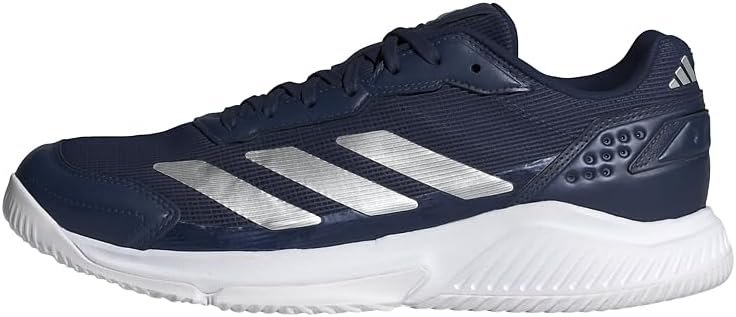
adidas Courtquick
Grips the sandy turf, which matters when a coach has you moving.
Check price on Amazon
Grip
Palbea Overgrips
A fresh grip helps you hold the racket loosely, as coaches will tell you to.
Check price on AmazonAs an Amazon Associate I earn from qualifying purchases.
Padel lessons in short
- Group sessions: usually around £15 to £20 per person.
- Private lessons: roughly £45 to £66 an hour, often shared by up to three or four players.
- Best for beginners: a short block of group sessions.
- Best for fixing a weakness: a private lesson or two.
- Where to book: your local club, often through Playtomic or MATCHi.
How much do padel lessons cost?
Of course, prices vary by club, coach and time of day, but the figures below give a fair idea of what you will pay in the UK. We based them on published prices at a number of clubs and coaches in late 2026.
| Type of lesson | Typical price |
|---|---|
| Group session (adults) | £15 to £20 per person |
| Group session (juniors) | £13 to £18 per person |
| Private lesson, one hour | £45 to £66, often shared by up to four |
| Short assessment or taster | Around £20 |
In many cases, booking a block of sessions brings a discount, and some clubs knock a few pounds off for members. As a result, a six week beginner course can work out at little more than the cost of the court on its own.
Group or private padel lessons?

For most people, group sessions are the best place to start. There, you learn the basic shots, the serve and how to use the walls alongside other beginners, and you usually leave with a few new people to play with. In addition, most clubs run beginner and improver groups each week.
Private lessons, on the other hand, come into their own once you have the basics. For example, if something specific is letting you down, such as balls off the back glass or your overhead, an hour with a coach will fix it far faster than a group session. Splitting a private lesson with your regular partner is also good value, because the coach can work on how you play together.

10% off for our readers
Turn up with your own racket
Padel Boost has over 20 rackets picked for beginners. Your 10% discount is applied when you click through.
Advert. We may earn a commission if you buy, at no cost to you. Discount code PADELREVIEW.
What happens in a first padel lesson?
Generally, most first lessons follow a similar pattern. First, the coach checks your grip and shows you the ready position. Then you work on the forehand and backhand, mostly from the back of the court. After that comes the serve, and finally the part everyone remembers: letting the ball come off the back glass before you hit it.
Equally, do not worry about being fit or sporty. Instead, the coach will feed you easy balls to start with, and most people are hitting decent rallies by the end of the hour. Our padel for beginners guide explains what to expect from your first game afterwards.
What to look for in a padel coach
- A recognised qualification. The LTA runs padel coaching courses, and many coaches also hold Spanish or international qualifications.
- Experience with beginners. Strong players are not always good teachers, so ask how much coaching they do at your level.
- Clear, simple feedback. One or two things to work on beats a long list.
- Plenty of hitting. A good session keeps you moving, rather than listening to long explanations.

Another beginner favourite
HEAD Evo Radical
A round racket with a big sweet spot, ideal while you learn.
How to get the most from padel lessons
Above all, practise what you learned within a day or two, while it is fresh. Then ask the coach for one thing to focus on in your next game, and stick to it even if you lose a few points. Meanwhile, keep an eye on your Playtomic level. Our guide to padel levels explains how it moves as you improve.
Once you have the basics, the next step is learning the shots that make padel different, such as the bandeja and the víbora. Our guide to padel shots explained covers each one.
Padel lessons: your questions answered
How much are padel lessons in the UK?
Group sessions usually cost around £15 to £20 per person. Private lessons tend to cost £45 to £66 an hour, and many coaches let up to three or four players share that price.
How many padel lessons do I need?
Most beginners feel the benefit after three to five lessons, so a short block is a sensible start. After that, a lesson every few weeks alongside regular games is plenty for most club players.
Are group or private padel lessons better?
Group sessions are cheaper and more sociable, and they are ideal for learning the basics. Private lessons are better for fixing specific problems, such as your bandeja or your play off the glass.
Do I need my own racket for a padel lesson?
No. Most clubs hire rackets for a few pounds, and some coaches bring spares. Buy your own once you know you enjoy it.
How do I find a padel coach near me?
Ask at your nearest padel club, check its page on Playtomic or MATCHi, or search for LTA accredited padel coaches in your area. Our UK padel court finder lists clubs region by region.