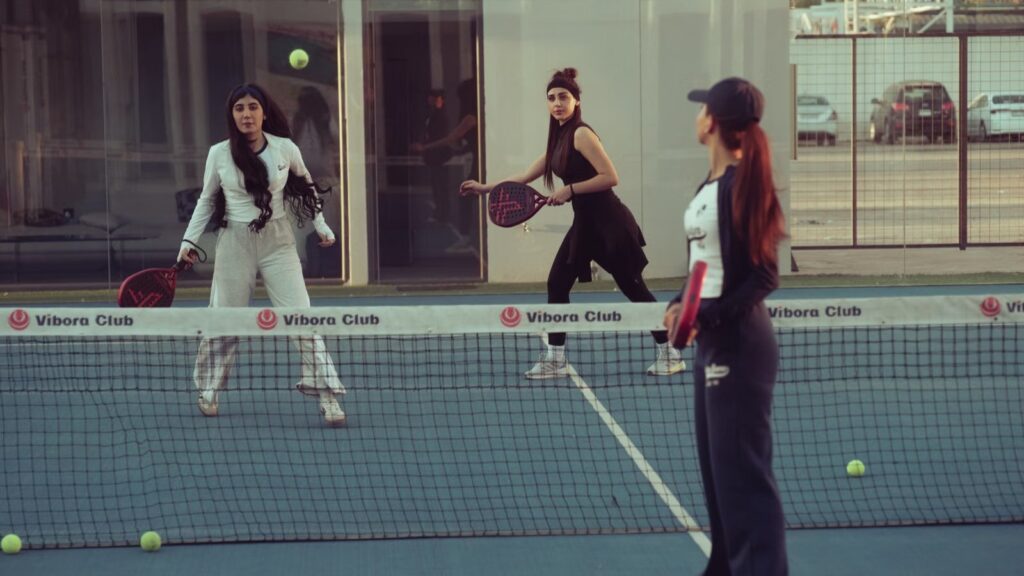

Padel for beginners is about as easy as a new sport gets. You need three other people, a court and an hour, and you can hire everything else at the desk. Most people are hitting proper rallies by the end of their first game.
This guide takes you from never having played to booking your first court, with what to bring, what it costs and the mistakes nearly everyone makes early on. If you want to buy your own kit, these are the three things worth getting first.
Your first padel kit
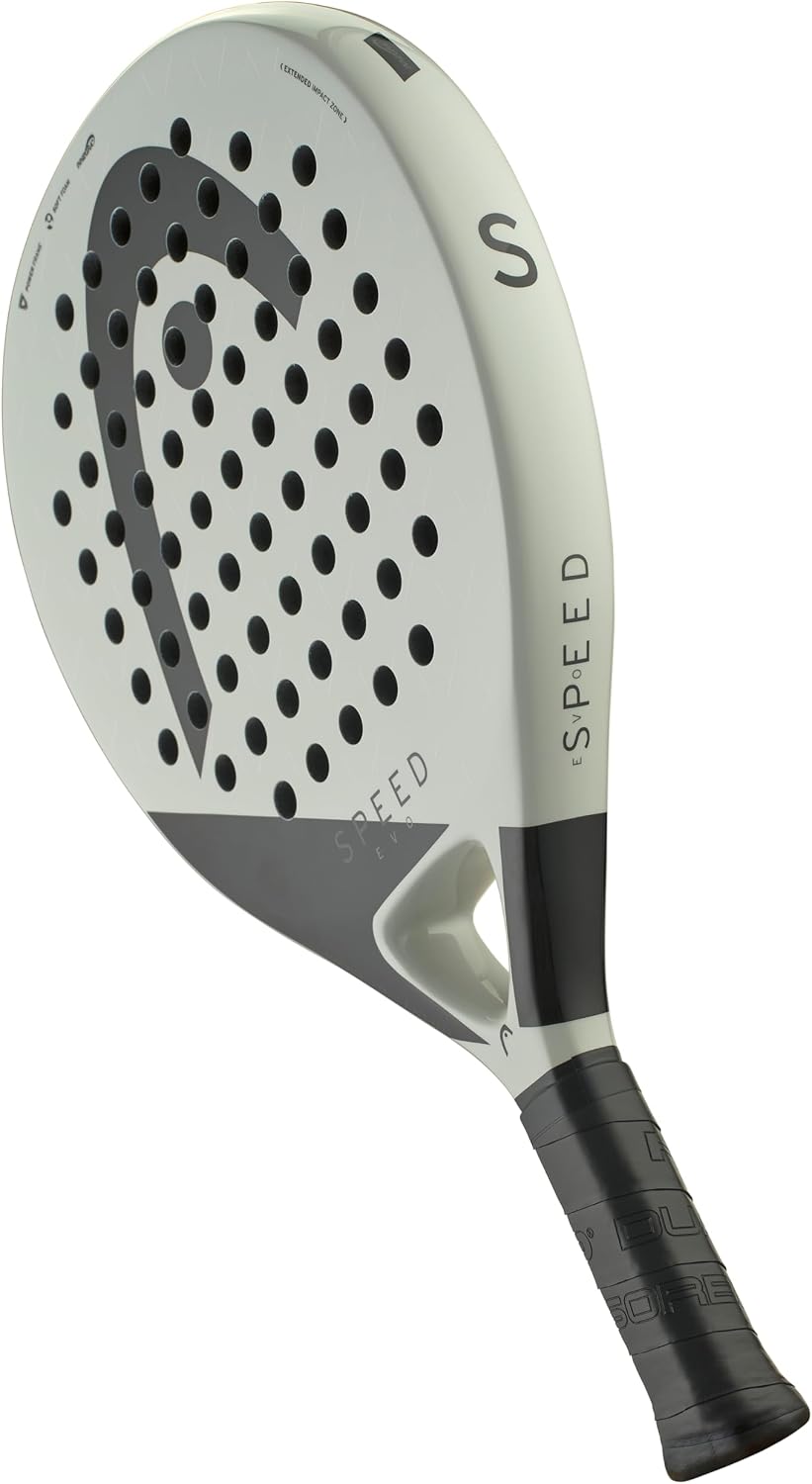
Racket
HEAD Evo Speed
Light, round and forgiving. Our first pick for anyone starting out.
Check price on Amazon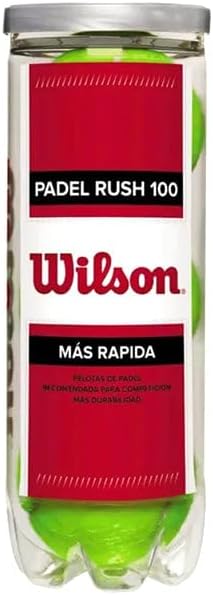

As an Amazon Associate I earn from qualifying purchases.
Your first game in five steps
- Find a court near you and check the price.
- Get three others together, or join an open match.
- Hire a racket and wear the right shoes.
- Learn the serve and let the ball come off the glass.
- Book a beginner session if you want to improve quickly.
Step 1: Find a court near you
There are now more than 680 padel venues in Britain, so there is a fair chance of one within a short drive. In fact, you will find courts at dedicated padel clubs, tennis clubs, gyms and a growing number of council leisure centres.
Our UK padel court finder lists clubs region by region, with prices and booking links. Most clubs take bookings through the Playtomic app, which also shows you which courts are free and when.
Outside London, a court usually costs £20 to £36 an hour off peak and £38 to £50 at peak times. Split four ways, that is roughly £5 to £12 each. London, however, is dearer. Our guide to padel prices in the UK has the figures city by city.
Step 2: Get four of you together
Padel is a doubles game, so you need three others. The easiest first game is with friends who are just as new as you. That way nobody minds the mishits, and you will all improve at the same pace.
If you cannot find three people, there are two good ways in. First, Playtomic lets you join open matches set up by other players, and you can filter them by level. Second, many clubs run social sessions such as an Americano, where everyone rotates partners and plays a few points with each. They are friendly, and you meet people to play with again.
Step 3: What to bring
For your first game you need very little. Most clubs hire rackets for £2 to £3, and some include them in the court price. Balls, meanwhile, are sold at reception, and a tube of three does a group for a game or two.
Above all, get the shoes right. Padel courts are artificial grass with sand brushed in, and running shoes slide about on it. That said, trainers with a flat or herringbone sole are fine to start with. If you play more than a couple of times, a pair of padel shoes is the best money you will spend.
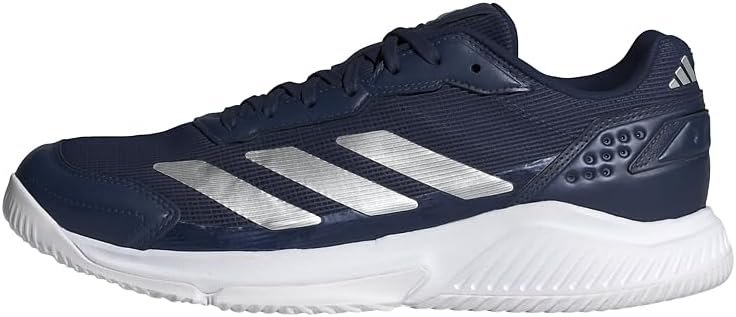
Worth buying early
adidas Courtquick
A herringbone sole that grips the sandy turf, so you can change direction safely.
Otherwise, wear normal sports clothes, bring a bottle of water and, for outdoor courts in winter, a layer you can take off once you warm up. Our guide to the best padel shoes has more options if you want to compare.

10% off for our readers
Ready for your own racket?
Padel Boost, a UK padel shop, has over 20 rackets picked for beginners. Your 10% discount is applied when you click through.
Advert. We may earn a commission if you buy, at no cost to you. Discount code PADELREVIEW.
Step 4: Your first game
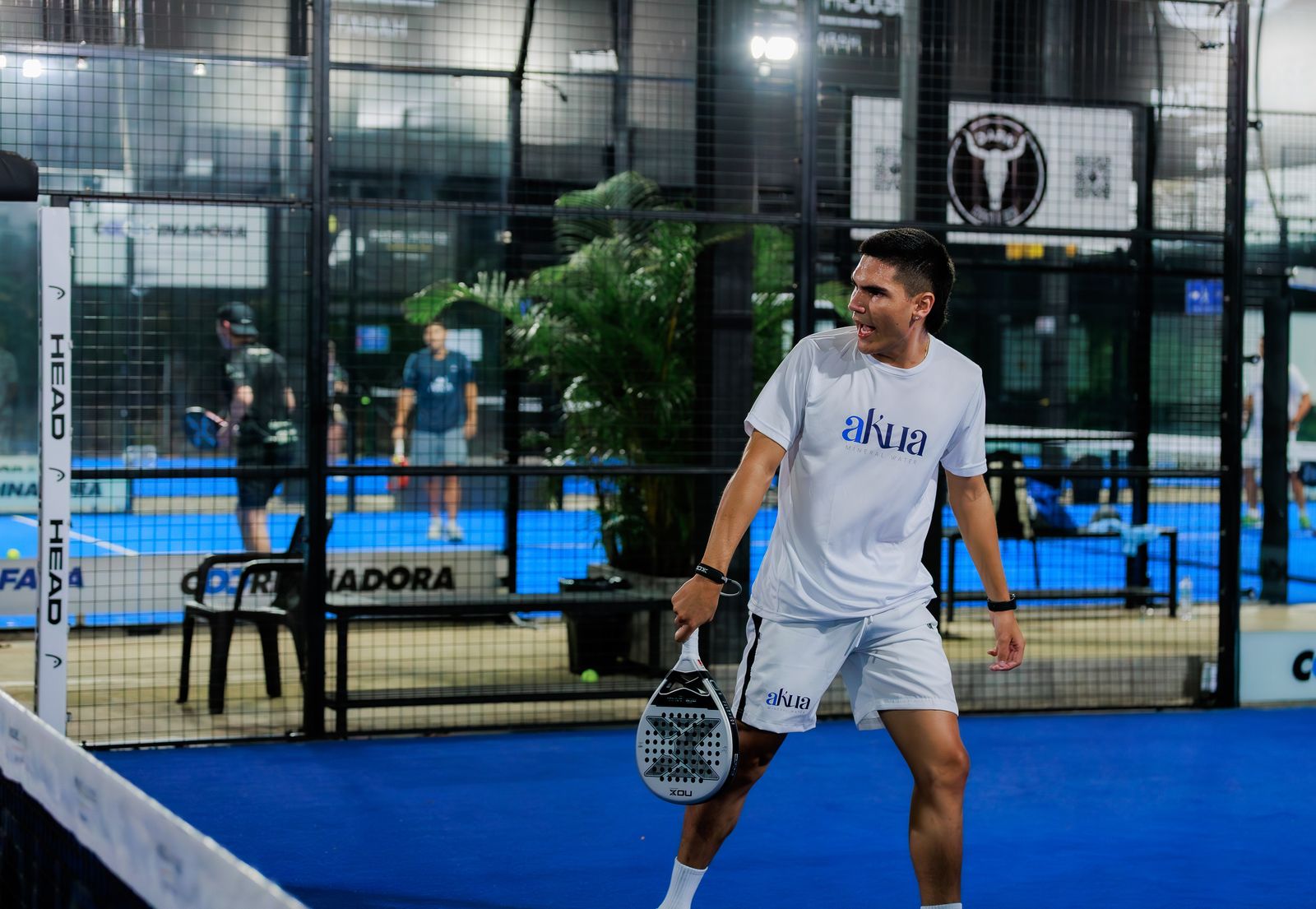
To begin with, spend ten minutes just hitting the ball back and forth. Then try a few serves. The serve is underarm: bounce the ball behind the service line and hit it at waist height or below, diagonally into the box on the other side.
The thing that feels strangest is the glass. When the ball comes towards the back wall, your instinct will be to hit it before it gets there. Instead, let it bounce, let it come off the glass, and then hit it on the way back out. It feels wrong for a game or two, and then it clicks.
Keep score if you like, although it hardly matters at this stage. Our guide to padel rules explains the serve, the walls and the scoring if you want to check anything afterwards.
Step 5: Padel lessons for beginners
Once you are hooked, a few lessons will save you months of bad habits. For example, most clubs run group sessions for beginners, which cost less than a private lesson and are a sociable way to learn. A private lesson with three friends, sharing the cost, is another good option. See our guide to padel lessons for prices.
Playtomic gives every player a level from 0 to 7, which goes up and down with your results. Beginners start low, and it helps you find open matches with people at a similar standard. As a result, games stay close and fun for everyone. Our guide to padel levels explains the scale in full.
It is also worth buying your own racket at this point. A hired racket is fine for a first game, but your own will feel the same every time you play. Our guide to the best padel rackets for beginners compares the main options. If your arm is already sore, read our guide to padel elbow before you buy.
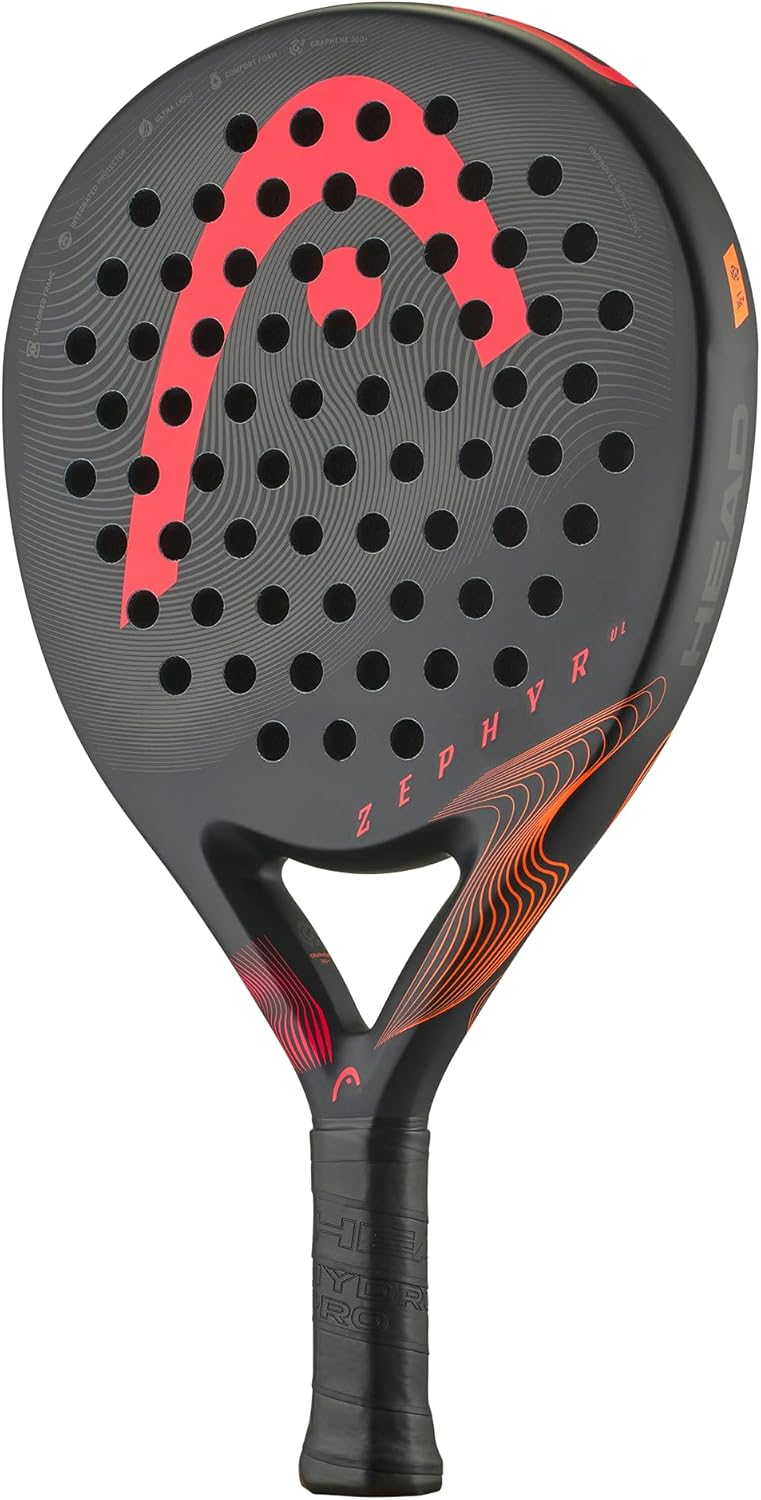
A lighter racket
HEAD Zephyr UL
Very light and easy to swing. A good choice if you find heavier rackets tiring.
Padel mistakes beginners make
- Standing in no man’s land. The middle of the court is the worst place to be. Stay back near the glass or come right up to the net together.
- Hitting too hard. Power rarely wins points in padel. A slow, deep ball that lands near the glass causes far more trouble.
- Rushing the ball off the glass. Give it time to come off the wall. Most beginners swing too early.
- Wearing running shoes. They slip on the sand, and that is how ankles get turned.
- Playing in silence. Call “mine” or “yours” on balls down the middle. Good pairs talk all the time.
When you are ready to buy your own racket, our padel racket reviews cover over 100 models, with the best UK price for each.
Padel for beginners: your questions answered
Is padel easy for beginners?
Yes, more than most racket sports. The court is small, the racket is short and the serve is underarm. As a result, most people are having proper rallies within their first hour.
How long does it take to get good at padel?
Most people feel comfortable after five or six games. Learning to play the ball off the glass with confidence takes longer, usually a few months of playing once a week.
Do you need to be fit to play padel?
No. The court is small and there is far less running than in tennis, so it suits a wide range of ages and fitness levels. You will still feel it in your legs the next day. See is padel good exercise for the calories and fitness side.
Can you play padel if you have never played tennis?
Yes. Tennis players pick it up quickly, but plenty of people start padel with no racket sport behind them at all. Some coaches say non tennis players have fewer habits to unlearn.
What should I wear for my first padel game?
Comfortable sports clothes and trainers with a flat or herringbone sole. Avoid running shoes, which slip on the sandy turf, and bring a layer for outdoor courts in winter.
New to the sport altogether? Start with our guide to what padel is and how it works.